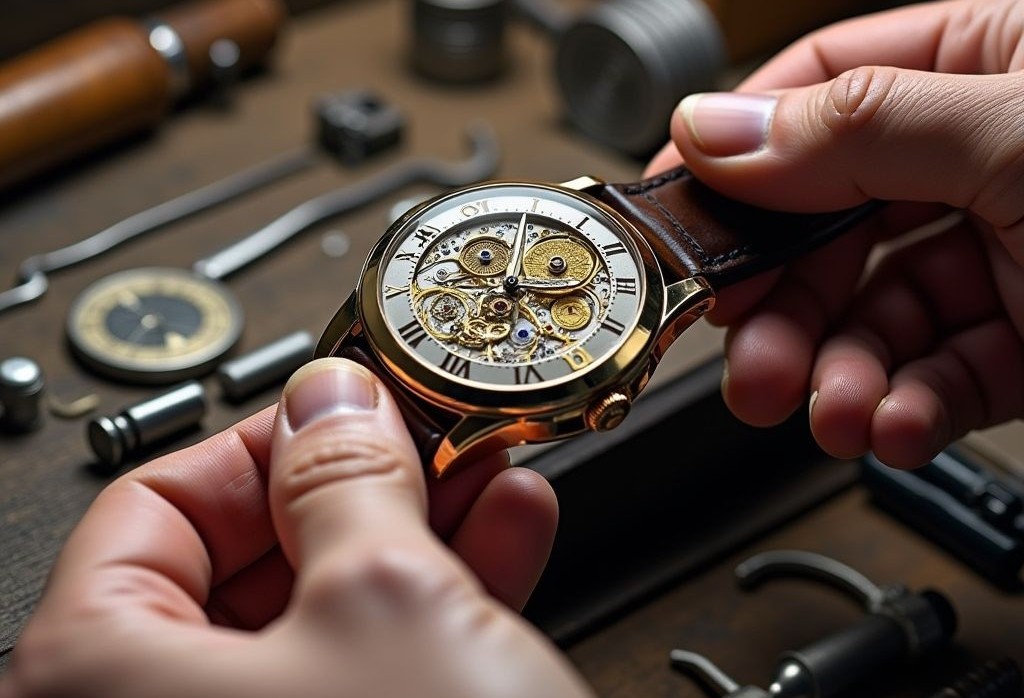
Heritage vs Innovation: The Evolution of Luxury Watches
Luxury watchmaking exists at the intersection of tradition and progress, where centuries-old craftsmanship meets cutting-edge innovation. While rooted deeply in heritage, the industry continues to evolve—embracing new technologies, materials, and ideas without compromising its enduring values. This delicate balance defines the modern luxury timepiece.
The Foundation of Heritage
The heritage of luxury watchmaking is built upon generations of accumulated knowledge, discipline, and artistry. Traditional techniques—hand-finishing movements, assembling components by skilled artisans, and preserving classical design codes—remain central to the identity of fine watch brands.
These practices are not merely nostalgic; they ensure continuity, authenticity, and respect for horological history. Heritage watches tell stories of time-tested craftsmanship, reflecting a commitment to excellence that has endured for centuries.
Innovation as a Natural Evolution
Innovation in watchmaking is not a departure from tradition, but its natural evolution. Advances in engineering have introduced new calibres with enhanced accuracy, extended power reserves, and improved durability. Materials such as high-performance alloys, advanced ceramics, and sapphire crystals have redefined what is possible without compromising elegance.
Modern innovation also enhances the wearer’s experience—offering improved reliability, comfort, and performance while preserving the soul of mechanical craftsmanship.
Design: Tradition Reimagined
Luxury watch design continues to draw inspiration from iconic silhouettes of the past, reinterpreted through a contemporary lens. Classic case shapes, refined dials, and timeless proportions are complemented by modern finishing techniques and subtle aesthetic updates.
This approach ensures that modern watches feel both familiar and forward-looking—pieces that honor history while embracing the present.
Technology Serving Craftsmanship
Technology now plays a vital role behind the scenes. Precision manufacturing, advanced testing methods, and rigorous quality control enhance consistency and performance. Yet, the final stages of assembly, adjustment, and finishing remain firmly in the hands of skilled watchmakers.
This harmony between human expertise and technological support allows brands to achieve levels of precision and refinement previously unattainable.
Collectors and the Modern Perspective
Today’s collectors value both heritage and innovation. They seek watches that respect tradition while offering modern reliability and relevance. Limited editions, contemporary complications, and thoughtful reinterpretations of classic models reflect this evolving mindset.
For collectors, a luxury watch is not just an object—it is a bridge between the past and the future.
Conclusion
The evolution of luxury watches is defined by balance. Heritage provides identity and authenticity, while innovation ensures progress and longevity. Together, they shape timepieces that transcend trends—watches that remain timeless in design, exceptional in craftsmanship, and relevant for generations to come.